
 Wardaan
Healthy dental habits for children should start at a young age. Parents play a big role in helping kids care for their teeth every day. Good oral care can prevent pain, cavities, and other dental problems later in life.
Children who learn healthy routines early often keep them as they grow older. Small daily habits can make a big difference in a child’s smile and overall health. It is important to make dental care simple, fun, and easy to follow at home.
Read the sections below to learn practical ways to build healthy dental habits for children and support strong teeth for years to come.
Start Dental Care Early
Dental care should begin even before the first tooth appears. Parents can gently clean a baby’s gums with a soft cloth after feeding. This helps remove bacteria and keeps the mouth fresh and clean.
Once the first tooth comes in, a small toothbrush should be used every day. Early cleaning helps children become comfortable with oral care routines. It also teaches them that dental care is a normal part of daily life.
Parents should always use gentle movements while brushing young teeth. A calm and positive routine can make children feel relaxed during brushing time. Starting early creates a strong base for lifelong oral health.
Teach Proper Brushing Techniques
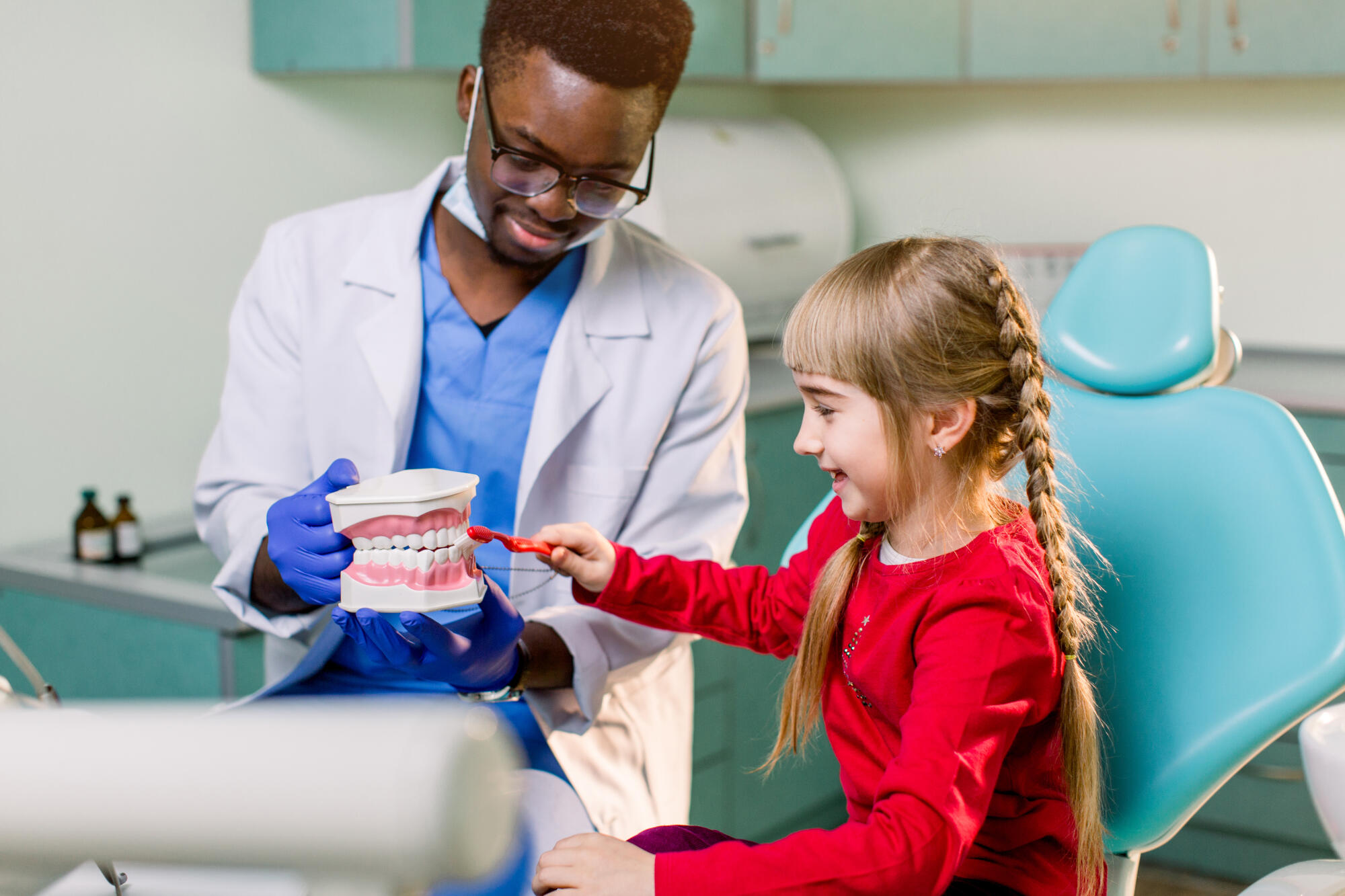
Children need to learn the right way to brush their teeth. A soft toothbrush and a small amount of toothpaste are usually enough for young kids. Parents should show children how to move the brush in small circles.
Brushing should cover the front, back, and top surfaces of the teeth. Kids often rush while brushing, so parents may need to guide them closely. Brushing for two minutes helps clean the mouth more fully.
Morning and bedtime brushing should become part of the daily schedule. Positive praise can help children stay interested in the routine. Good brushing habits help lower the risk of tooth decay and gum problems.
Make Flossing a Daily Habit
Flossing is important once teeth begin touching each other. Food and plaque can stay between teeth where a toothbrush cannot reach. Parents should help children floss until they can do it safely on their own.
Gentle flossing helps protect the gums from irritation and swelling. It may take time for children to feel comfortable with flossing. Simple encouragement can help them stay patient while learning.
Flossing before bedtime is often a good routine for families. Daily practice can make the process feel easier over time. Healthy gums and cleaner teeth are some of the benefits of regular flossing.
Choose Healthy Foods and Drinks
A child’s diet affects dental health in many ways. Sugary snacks and drinks can increase the chance of cavities. Fresh fruits, vegetables, cheese, and yogurt are better choices for strong teeth.
Water is also important because it helps rinse away food particles. Parents should limit sticky candies and sweet drinks when possible. Healthy meals support both oral health and overall growth.
Crunchy foods can help clean the teeth naturally during chewing. Balanced eating habits can also reduce plaque buildup in the mouth. Making smart food choices helps protect children’s smiles every day.
Limit Sugary Snacks Between Meals
Frequent snacking can expose teeth to sugar throughout the day. Bacteria in the mouth feed on sugar and produce harmful acids. These acids can weaken tooth enamel over time. Parents should try to offer snacks at regular times instead of all day long.
Healthy snacks such as nuts, fruits, and vegetables are often better options. Water is usually the best drink choice between meals. Children may still enjoy treats sometimes, but moderation is important.
Teaching balance can help children understand healthy eating habits. Reducing sugary snacks can lower the risk of cavities and tooth sensitivity.
Encourage Drinking More Water
Water plays an important role in oral health for children. It helps wash away leftover food and bacteria after meals. Drinking water also keeps the mouth from becoming too dry. A moist mouth helps protect teeth and gums from harmful bacteria. Many parents encourage water instead of sweet juices or soft drinks.
Carrying a water bottle can help children drink more during the day. Water is especially useful after snacks when brushing is not possible right away. Some water supplies also contain fluoride that supports stronger enamel. Building the habit of drinking water can improve dental health over time.
Schedule Regular Dental Checkups
Regular dental visits are important for keeping children’s teeth healthy. Dentists can spot small problems before they become serious. Cleanings also help remove plaque that may stay on the teeth after brushing. Children become more comfortable with dental visits when appointments happen regularly.
Parents can ask questions about brushing, flossing, and diet during checkups. Early visits also help children feel less nervous about dental care. A friendly and supportive environment can make appointments easier for young patients.
Many families find that choosing a pediatric dentist helps children feel more relaxed and understood during visits. Regular checkups support healthy teeth and good oral habits throughout childhood.
Use Fluoride the Right Way
Fluoride helps protect teeth from cavities and decay. Many toothpastes contain fluoride because it strengthens tooth enamel. Parents should use only a small amount of toothpaste for younger children.
Kids should also learn to spit out toothpaste after brushing. Too much fluoride can cause problems if swallowed often. Dentists can recommend the right fluoride use based on a child’s age and needs.
Some children may benefit from fluoride treatments during dental visits. Parents should supervise brushing to make sure toothpaste is used correctly. Proper fluoride use can help keep children’s teeth stronger and healthier.
Replace Toothbrushes Often
Old toothbrushes do not clean teeth as well as new ones. The bristles can become bent and worn after regular use. Parents should check toothbrushes often for signs of damage. Many dentists suggest replacing toothbrushes every few months.
Children may also need a new toothbrush after being sick. A clean toothbrush helps remove plaque more effectively. Some children enjoy picking toothbrushes with fun colors or characters. This can make brushing feel more exciting and personal. Fresh toothbrushes support better cleaning and healthier smiles.
Create a Fun Dental Routine
Children often respond better when dental care feels enjoyable. Parents can use songs, timers, or reward charts during brushing time. Fun routines can help children stay interested in oral care.
Positive experiences may also reduce stress around brushing and flossing. Some families brush together so children can copy good habits. Simple praise can encourage kids to keep trying every day.
Bedtime routines are easier when children know what to expect. A calm and happy environment can make oral care feel less like a chore. Enjoyable routines help children build healthy habits that can last for years.
Teach Kids About Tooth Decay
Children should understand why dental care matters. Simple explanations can help them learn how cavities form. Parents can explain that germs and sugar can hurt teeth over time. Visual examples and stories may help younger children understand better.
Teaching kids about tooth decay can motivate them to brush more carefully. It also helps children see the value of healthy eating habits. Learning about dental health can make children feel more responsible for their care.
Parents should keep the conversation positive and easy to follow. Knowledge can help children make smarter choices for their oral health.
Protect Teeth During Sports
Many children enjoy active games and sports every week. Sports can sometimes lead to dental injuries if the mouth is not protected. Mouthguards help reduce the risk of broken or damaged teeth.
Parents should encourage children to wear mouthguards during contact sports. A proper fit can make the mouthguard more comfortable to use. Coaches and schools may also remind children about safety equipment.
Teaching safety habits early can help children protect their smiles. Dental injuries can be painful and expensive to treat later on. Using mouth protection is a simple way to support healthy teeth.
Avoid Using Teeth as Tools
Children sometimes use their teeth to open packages or bite hard objects. These habits can damage teeth and lead to chips or cracks. Parents should explain that teeth are only meant for eating food. Hard objects such as ice and pencils can also harm enamel.
Repeated pressure may weaken teeth over time. Children may not realize these habits can cause pain or injury. Gentle reminders can help them break unsafe habits. Safe behavior protects both teeth and gums from unnecessary damage. Teaching proper care can help children avoid dental problems in the future.
Educate Yourself About Healthy Dental Habits for Children
Healthy dental habits for children can make a lasting difference in their lives. Parents who teach good routines early help children protect their teeth as they grow. Simple daily habits such as brushing, flossing, and healthy eating support strong oral health.
Regular dental visits also help prevent problems before they become serious. Children often learn best through patience, support, and positive examples at home.
Consistent care can build confidence and create healthier smiles for the future. With the right guidance, families can help children enjoy better oral health for many years.
For more topics to explore, check our blog!